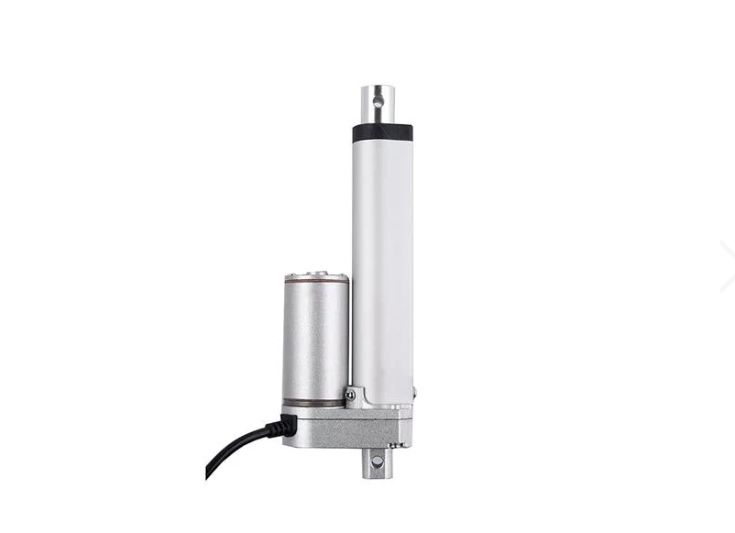
LKT 12V Linear Actuator 200mm 1200N
R1 303.48
Sold out
Sold out
LKT 12V Linear Actuator 200mm 1200N
Product Details
LKT 12V Linear Actuator 200mm 1200N – Technical Specifications:
Module Type – Linear Actuator (Electric DC Motor Driven)
Operating Voltage – 12V DC
Stroke Length – 200mm
Maximum Force – 1200N (≈120kg)
No-Load Speed – ~5–10 mm/s (model dependent)
Load Type – Push / Pull
Duty Cycle – 20% (max. 2 minutes continuous operation)
Limit Switches – Built-in (Auto Stop at Full Extension/Retraction)
Protection Rating – IP54 (dust and splash resistant)
Housing Material – Aluminium Alloy
Shaft Material – Stainless Steel
Gear Type – Metal Gear Drive
Mounting Type – Clevis Mount (Front & Rear)
Operating Temperature – -10°C to +50°C
Control Interface – Reversible Polarity (Forward/Reverse via DC polarity change)
Cable Length – ~30cm (approx.)
Compatible Systems – Arduino, ESP32, Raspberry Pi (with relay or motor driver)
Handy Tips for Using the LKT 12V Linear Actuator:
1: This actuator operates using a simple polarity reversal system — applying 12V DC one way will extend the actuator, and reversing the polarity will retract it. This is typically controlled using a DPDT relay, H-bridge motor driver, or actuator control board.
2: The built-in limit switches automatically stop the actuator when it reaches full extension or full retraction. This prevents mechanical damage, so you do not need to add external limit switches for basic use.
3: With a rated force of 1200N (~120kg), this actuator is suitable for heavy-duty applications such as lifting panels, automation gates, solar tracking systems, or mechanical linkages. Ensure your mounting structure can handle this load safely.
4: Always use a dedicated 12V power supply capable of delivering sufficient current (typically 3–5A under load). Undersized power supplies can cause slow movement, overheating, or failure to start under load.
5: This actuator is not waterproof (IP54 only), meaning it is protected from dust and light splashes but should not be exposed to rain or submerged. For outdoor use, install it in a weather-protected enclosure or sealed mechanism housing.
6: Because of the 20% duty cycle, avoid running the actuator continuously. Allow it to cool between operations to prevent overheating and extend its lifespan — especially when operating near maximum load.
7: When controlling with microcontrollers like ESP32 or Arduino, never drive the actuator directly — always use a relay module or motor driver rated for the actuator’s current draw.
Display prices in:ZAR